

Introduction to Climate Risk and Its Impact on Businesses
By United Carbon Technologies | Climate Knowledge Hub India
Join 1,500+ readers exploring climate & ESG insights
Climate risk is becoming a critical factor for businesses worldwide. In India, changing weather patterns, regulations, and market expectations are forcing companies to assess how climate change can impact operations, finances, and long-term growth.
What is climate risk in business?
Climate risk refers to potential business disruptions caused by climate change, including physical risks like extreme weather and transition risks such as regulatory and market changes.
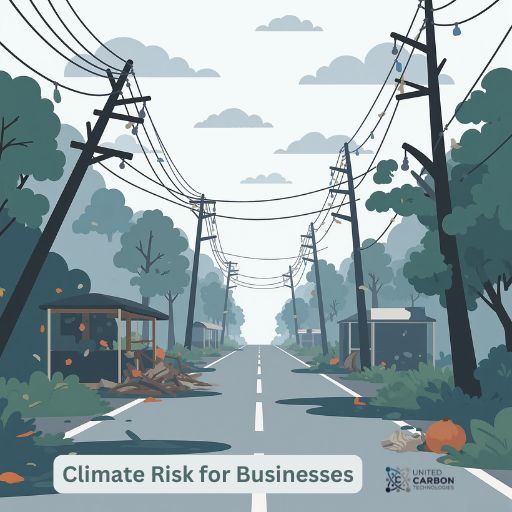
Climate change is no longer just an environmental issue—it is a business risk. Companies today must understand how climate-related factors can affect operations, supply chains, and financial stability.
Ignoring climate risk can lead to significant disruptions, increased costs, and long-term competitive disadvantages.
Did you know? Extreme weather events and regulatory changes are increasing financial risks for businesses across industries in India.
Types of Climate Risks
1. Physical Risks
- Floods, heatwaves, and extreme weather events
- Damage to infrastructure and assets
- Supply chain disruptions and delays
2. Transition Risks
- New ESG regulations and compliance requirements
- Changing customer and investor expectations
- Shift toward sustainable products and services
3. Financial Risks
- Increased operational and insurance costs
- Reduced asset value
- Impact on funding and investment opportunities
How Climate Risk Impacts Businesses
- Operational disruptions due to climate events
- Supply chain instability and delays
- Increased compliance and reporting costs
- Reputation and brand risk in global markets
How Businesses Can Manage Climate Risk
- Track carbon emissions and environmental impact
- Adopt ESG reporting frameworks
- Diversify and strengthen supply chains
- Invest in climate-resilient technologies
Climate Risk in the Indian Context
India is highly vulnerable to climate risks due to its geography and economic structure. Businesses that proactively manage these risks can improve resilience, reduce losses, and gain a competitive advantage in global markets.
🔗 Climate Risk Guide
🔗 ESG in India
🔗 Carbon Footprint Guide
🔗 Carbon Markets & Credits
🔗 Climate Technology
- Climate risk affects operations, finance, and strategy
- Includes physical, transition, and financial risks
- ESG and carbon data help manage risks effectively
- Indian businesses must adopt proactive strategies
Start Your Climate Learning Journey
Understand climate risk, ESG, and sustainability strategies.
Join early learners building climate intelligence.