

How Households Can Reduce Carbon Emissions in India (Simple Guide)
Reducing carbon emissions at the household level is one of the most effective ways individuals can contribute to climate action in India. From electricity usage to transportation and food habits, everyday decisions directly impact your carbon footprint and environmental impact.
Part of the Climate Knowledge Hub by United Carbon Technologies — building climate intelligence, ESG awareness, and sustainability education for India.
How can households reduce carbon emissions?
Households can reduce carbon emissions by improving energy efficiency, using renewable energy, reducing fuel-based transportation, minimizing waste, and adopting sustainable food habits.
Reducing household carbon emissions in India is becoming increasingly important as energy demand, urbanization, and climate-related challenges continue to rise across cities and communities.
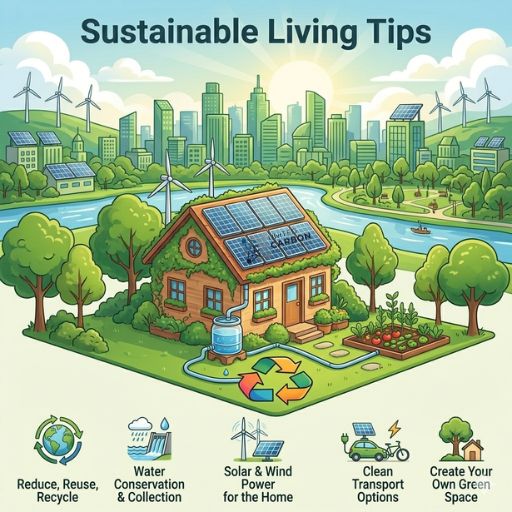
Climate change is often discussed at global and national levels, but households also play a crucial role in reducing carbon emissions. Daily choices related to electricity usage, transport, food, and waste directly influence your overall carbon footprint.
By adopting sustainable practices at home, families can significantly reduce greenhouse gas emissions and contribute to a cleaner and more sustainable India.
Why Household Carbon Emissions Matter
Many people believe climate change is caused only by industries and large corporations. In reality, millions of households collectively consume electricity, transportation fuels, food, water, and consumer products every day. These daily activities create indirect greenhouse gas emissions throughout the economy.
When households adopt energy-efficient appliances, reduce waste, choose cleaner transport, and consume responsibly, the cumulative environmental impact becomes significant. Household climate action also reduces energy bills, improves resource efficiency, and supports India's transition toward a low-carbon economy.
- Lower electricity consumption
- Reduced fossil fuel dependence
- Less landfill waste
- Lower household carbon footprint
- Improved long-term sustainability
Residential energy use, transportation, food consumption, and household waste all contribute to greenhouse gas emissions. Small improvements across millions of Indian homes can collectively reduce national carbon emissions while lowering monthly utility costs.
Improve Energy Efficiency at Home
Electricity consumption is one of the largest contributors to household emissions. Since much of India's electricity is still generated using conventional energy sources, improving home energy efficiency helps reduce both carbon emissions and monthly electricity expenses.
- Switch to LED lighting
- Turn off unused appliances
- Use energy-efficient ACs and refrigerators
- Set AC temperature to 24–26°C (recommended in India)
- Improve insulation and ventilation
Simple improvements such as replacing old appliances with energy-efficient models, reducing standby power consumption, and maximizing natural lighting can significantly lower annual electricity use.
Adopt Renewable Energy Solutions
Using renewable energy like solar power can significantly reduce dependence on fossil fuels and lower long-term emissions.
- Install rooftop solar panels
- Use solar water heaters
- Support community solar initiatives
Save Water to Reduce Energy Consumption
Water treatment, pumping, purification, and distribution require significant amounts of electricity. Conserving water indirectly reduces carbon emissions associated with municipal water systems.
- Repair leaking taps
- Install low-flow fixtures
- Reuse greywater where appropriate
- Collect rainwater for gardening
- Avoid unnecessary water wastage
Start optimizing your home energy usage today and see immediate reductions in your electricity bill.
Learn how United Carbon Technologies helps organizations with carbon accounting, ESG reporting, climate intelligence, and sustainability strategy.
Reduce Transportation Emissions
Transport is a major source of carbon emissions in India. Reducing fuel consumption can lower your overall carbon footprint.
- Use public transportation
- Walk or cycle for short distances
- Carpool with colleagues
- Consider electric vehicles
Remote work, route planning, vehicle maintenance, and combining multiple errands into one trip also help reduce fuel consumption and greenhouse gas emissions.
Remote work, route planning, vehicle maintenance, and combining multiple errands into one trip also help reduce fuel consumption and greenhouse gas emissions.
How Indian Cities Influence Household Carbon Emissions
Urban lifestyles significantly affect household emissions in India. Factors such as transportation systems, electricity consumption, cooling demand, and waste management influence overall environmental impact.
- High AC usage during extreme heatwaves
- Traffic congestion increasing fuel consumption
- Rapid urban electricity demand growth
- Limited waste segregation in cities
- Dependence on fossil-fuel-based energy systems
Reduce Waste and Promote Recycling
Improper waste disposal contributes to greenhouse gas emissions, especially methane from landfills.
- Avoid single-use plastics
- Reuse materials whenever possible
- Separate recyclable waste
- Compost organic waste
Adopt Sustainable Food Habits
Food production, transportation, and waste all contribute to emissions. Conscious food choices can reduce environmental impact.
- Reduce food waste
- Choose seasonal and local foods
- Support sustainable agriculture
- Adopt balanced diets with lower carbon impact
How Climate Awareness Creates Long-Term Impact
Small household actions may appear simple individually, but large-scale adoption creates measurable environmental impact. Climate awareness, sustainability education, and carbon literacy are becoming important parts of future climate action in India.
United Carbon Technologies is building climate education and carbon intelligence initiatives to help individuals and organizations better understand sustainability and environmental impact.
Choose Sustainable Products
Every purchase has an environmental footprint. Products require raw materials, manufacturing, transportation, packaging, and disposal, all of which generate greenhouse gas emissions.
- Buy durable products instead of disposable items
- Choose products with minimal packaging
- Support environmentally responsible brands
- Repair products instead of replacing them
- Purchase only what you truly need
Household Sustainability in India
India's growing urban population, increasing electricity demand, expanding transportation network, and rising consumer spending make household sustainability more important than ever. Government initiatives promoting rooftop solar, LED lighting, electric mobility, and waste management provide opportunities for families to reduce both emissions and living costs.
As India progresses toward its long-term climate goals, household participation will remain one of the most effective ways to support national sustainability efforts.
Related Climate & Sustainability Guides
- Complete Sustainable Living Guide India
- Carbon Footprint Guide India
- How Renewable Energy Reduces Carbon Emissions
- Why Climate Risk Matters
Continue Learning
- What Is Carbon Footprint? (Beginner Guide)
- How Renewable Energy Reduces Carbon Emissions
- Climate Technologies That Can Help Save the Planet
- What Is Net Zero? (Simple Explanation)
- India's Climate Goals Explained
- Improve energy efficiency with LED lighting and efficient appliances.
- Adopt rooftop solar and renewable energy where possible.
- Reduce transport emissions through public transport, cycling, and EVs.
- Conserve water to lower indirect energy consumption.
- Reduce waste through recycling and composting.
- Choose sustainable food and shopping habits.
- Small household actions collectively create significant climate benefits.
Key Takeaway
Reducing household carbon emissions does not require major lifestyle changes. Small actions—such as improving energy efficiency, conserving water, reducing waste, choosing sustainable transportation, and making responsible purchasing decisions—can collectively create meaningful environmental benefits. When adopted across millions of homes, these practices support India's climate goals while helping families save money and live more sustainably.
Want to understand your impact better? Read our guide on carbon footprint and explore more practical ideas in our sustainable living section.
India’s Transition Toward Sustainable Living
As India continues expanding its clean energy and sustainability initiatives, households will play a major role in reducing emissions and supporting long-term environmental resilience.
Frequently Asked Questions
How can households reduce carbon emissions?
Households can reduce carbon emissions by improving energy efficiency, using renewable energy, reducing fuel consumption, minimizing waste, conserving water, and adopting sustainable everyday habits.
What is a household carbon footprint?
A household carbon footprint is the total amount of greenhouse gases generated by daily activities such as electricity use, cooking, transportation, shopping, food consumption, and waste disposal. It is commonly measured in carbon dioxide equivalent (CO₂e).
Why is electricity important in carbon emissions?
Electricity generation often relies on fossil fuels, which release greenhouse gases. Using energy-efficient appliances, LED lighting, and reducing unnecessary electricity consumption can significantly lower household emissions.
Does saving water reduce emissions?
Yes. Water treatment, pumping, purification, and distribution require energy. Conserving water reduces electricity demand and indirectly lowers greenhouse gas emissions associated with water infrastructure.
How does transportation affect household emissions?
Transportation contributes to household carbon emissions through the use of petrol and diesel vehicles. Choosing public transport, cycling, walking, carpooling, or electric vehicles helps reduce fuel consumption and emissions.
What are sustainable food habits?
Sustainable food habits include reducing food waste, purchasing seasonal and locally produced food, storing food efficiently, and supporting environmentally responsible agricultural practices to reduce the overall carbon footprint.
Can rooftop solar reduce carbon emissions?
Yes. Rooftop solar systems generate clean electricity from sunlight, reducing dependence on fossil fuel-based electricity and lowering household carbon emissions over the long term.
How can recycling help fight climate change?
Recycling reduces the demand for raw materials and lowers the energy required to manufacture new products. It also decreases landfill waste and helps reduce greenhouse gas emissions across the product lifecycle.
What are easy climate actions for families?
Families can switch off unused appliances, use LED lighting, conserve water, separate household waste, avoid single-use plastics, use public transportation, and educate children about sustainable living practices.
Why are households important for India's climate goals?
Millions of Indian households collectively influence national energy consumption, transportation demand, and waste generation. Small improvements adopted across households can significantly support India's climate goals, reduce emissions, and promote sustainable development.
Explore the Future of Climate Intelligence
Learn ESG, sustainability, carbon intelligence, and climate-tech concepts shaping the future of business and environmental strategy..
Join readers building climate intelligence knowledge for a sustainable future.