

How Water Usage Impacts Carbon Emissions (Hidden Climate Link)
By United Carbon Technologies | Climate Knowledge Hub India
Join 1,500+ readers exploring climate & ESG insights
Water usage and carbon emissions are closely connected. Energy used in water treatment, pumping, and heating increases carbon footprint in India and globally.
How does water usage affect carbon emissions?
Water usage increases carbon emissions because energy is required to extract, treat, transport, and heat water.
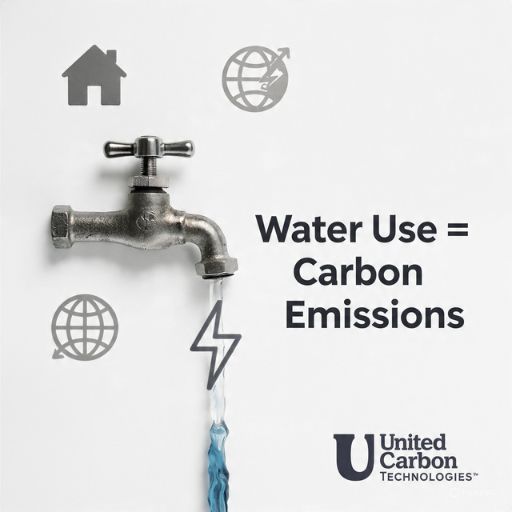
Water is essential, but every drop consumed requires energy—often from fossil fuels.
Understanding this link helps reduce both water usage and carbon emissions.
Did you know? Heating water is one of the biggest contributors to indirect emissions.
The Water-Energy-Carbon Link
- Energy is needed to pump and transport water
- Treatment requires electricity
- Heating water consumes significant energy
Learn how daily habits influence your carbon footprint.
Looking to start ESG reporting or analyze carbon data?
Where Water Use Creates Emissions
- Household water heating
- Agriculture irrigation
- Industrial processing
- Urban water systems
Impact on Climate
- Higher energy demand increases emissions
- Water scarcity worsens environmental stress
- Inefficient usage increases impact
How to Reduce Water-Related Emissions
- Use efficient appliances
- Reduce hot water usage
- Fix leaks
- Adopt sustainable habits
India’s Water and Climate Challenge
Efficient water usage can significantly reduce emissions and support sustainability goals in India.
🔗 Carbon Footprint Guide
🔗 ESG in India Guide
🔗 Carbon Markets
🔗 Climate Technology
🔗 Sustainable Living
- Water use requires energy
- Heating water drives emissions
- Saving water reduces carbon footprint
- Efficiency improves sustainability
Frequently Asked Questions
Does saving water reduce carbon emissions?
Yes, it reduces energy used in treatment and heating.
Why is hot water carbon intensive?
Because heating requires energy, often from fossil fuels.
Start Your Climate Learning Journey
Understand carbon footprint and sustainability.