
The Role of Citizens in Fighting Climate Change in India (Simple Guide)
Climate change is one of the most pressing global challenges today, and citizens in India play a crucial role in driving climate action. Everyday decisions related to energy use, consumption, and lifestyle directly influence carbon emissions and environmental sustainability.
Part of the Climate Knowledge Hub by United Carbon Technologies — building India’s carbon intelligence ecosystem through climate education, ESG awareness, and sustainability innovation.
What role do citizens play in fighting climate change?
Citizens play a key role in climate action by reducing their carbon footprint, adopting sustainable lifestyles, supporting eco-friendly policies, and spreading environmental awareness.
Citizen participation is becoming increasingly important in India as climate risks, energy demand, pollution, and sustainability challenges continue to grow across cities and communities.
As India works toward its climate goals and net-zero ambitions, informed citizens are becoming one of the country's greatest strengths. Every action—from conserving electricity to supporting sustainable businesses—helps build a cleaner, more resilient future.
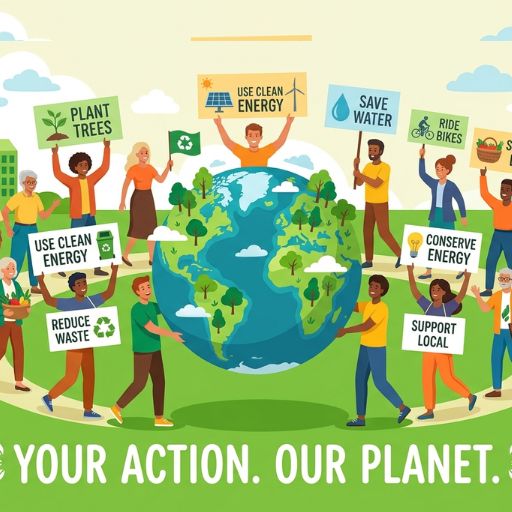
Climate change is often addressed at national and global levels, but meaningful change begins with individuals. Citizens have the power to influence environmental outcomes through daily actions and collective efforts.
In India, where population and consumption patterns are rapidly evolving, citizen participation is essential to reduce carbon emissions and promote sustainable development.
Did you know?
Research shows that widespread adoption of sustainable household and community practices can significantly reduce greenhouse gas emissions while improving public health, resource efficiency, and environmental resilience.
Why Citizen Participation Matters
Governments and businesses play major roles in climate action, but lasting environmental progress depends on millions of citizens making sustainable choices every day. Individual actions influence energy demand, transportation patterns, waste generation, and consumer markets. When these actions are multiplied across communities, they create measurable environmental benefits.
- Encourages responsible consumption
- Supports climate-friendly public policies
- Drives demand for sustainable products
- Builds stronger environmental awareness
- Creates long-term cultural change
- Encourages responsible consumption
- Promotes sustainable lifestyles
- Creates social awareness
- Supports climate-friendly policies
Actions Citizens Can Take
Many climate-friendly actions require little cost but deliver meaningful environmental benefits over time. Citizens can reduce emissions while saving energy, conserving resources, and supporting sustainable development.
- Reduce household electricity consumption
- Use energy-efficient appliances
- Choose public transport, cycling, or walking
- Reduce food waste
- Practice waste segregation and recycling
- Support renewable energy adoption
- Purchase environmentally responsible products
How Daily Lifestyle Choices Affect Climate Impact
Everyday activities such as electricity usage, transportation, food consumption, and waste generation directly influence carbon emissions and environmental sustainability.
- Energy-intensive lifestyles increase emissions
- Transportation choices affect fuel consumption
- Food waste contributes to greenhouse gases
- Plastic waste impacts ecosystems and pollution
- Sustainable habits reduce environmental pressure
Start optimizing your home energy usage today and see immediate reductions in your electricity bill.
Get expert support for ESG and sustainability.
Community-Level Climate Action
Communities play a vital role in scaling climate solutions. Collective efforts can create long-term environmental and social impact.
- Tree plantation initiatives
- Local waste management programs
- Community awareness campaigns
- Sustainable neighborhood practices
How Citizens Influence Climate Policies
Citizen participation extends beyond daily lifestyle choices. Public engagement, responsible voting, community initiatives, and support for sustainable businesses encourage governments and organizations to strengthen climate policies and invest in clean technologies.
- Support environmental initiatives
- Participate in local sustainability programs
- Encourage responsible governance
- Promote green innovation
- Raise awareness within communities
Education and Awareness
Education is one of the most powerful tools for climate action. Understanding carbon footprints and sustainability enables informed decision-making.
- Learn about climate change and carbon emissions
- Participate in climate education programs
- Spread awareness in communities
- Encourage responsible environmental behavior
Climate Education and Future Generations
Climate education helps people understand greenhouse gas emissions, renewable energy, biodiversity, sustainable development, and environmental responsibility. Better knowledge leads to informed decisions that benefit both society and the environment.
Schools, colleges, businesses, and community organizations all contribute to building climate literacy, helping future generations prepare for environmental challenges.
Citizen Climate Action in India
India's climate ambitions rely on collaboration between governments, industries, educational institutions, and citizens. Reducing electricity consumption, conserving water, minimizing waste, supporting renewable energy, and choosing sustainable transport all contribute toward national climate objectives.
As millions of Indians adopt climate-conscious lifestyles, their combined actions can significantly reduce emissions while improving public health and resource efficiency.
India’s Growing Climate Responsibility
India’s future sustainability goals depend not only on governments and industries, but also on citizen participation and public awareness.
From reducing household emissions to supporting sustainable businesses, citizens play a central role in building a greener and more climate-resilient future.
Related Climate & Sustainability Guides
- Sustainability Guide India
- Carbon Footprint Guide India
- How Households Can Reduce Carbon Emissions
- Climate Risk Resources
- Citizens are essential partners in climate action
- Daily habits directly influence carbon emissions
- Communities can accelerate sustainable development
- Climate education builds long-term awareness
- Small actions create meaningful environmental impact
Explore more about sustainable living in India , climate risk , and carbon footprint to better understand environmental sustainability and climate action.
Climate Awareness and Carbon Intelligence
Understanding environmental impact and carbon emissions is becoming increasingly important for individuals, institutions, and businesses.
United Carbon Technologies is developing climate education and carbon intelligence initiatives focused on sustainability awareness, ESG understanding, and environmental responsibility in India.
Frequently Asked Questions
Frequently Asked Questions
What role do citizens play in fighting climate change?
Citizens play a vital role by making sustainable lifestyle choices, reducing carbon emissions, conserving resources, supporting renewable energy, and encouraging environmentally responsible practices within their communities.
How do citizens contribute to climate action?
Citizens contribute by saving electricity, using public transportation, reducing waste, recycling, conserving water, supporting sustainable businesses, and spreading climate awareness.
What daily activities produce greenhouse gases?
Daily activities such as using electricity generated from fossil fuels, driving petrol or diesel vehicles, cooking with conventional fuels, purchasing high-carbon products, and wasting food all contribute to greenhouse gas emissions.
Does electricity consumption affect climate change?
Yes. Electricity generated from fossil fuels produces carbon emissions. Reducing unnecessary electricity use and adopting energy-efficient appliances or renewable energy helps lower a household's carbon footprint.
Why does food waste contribute to emissions?
Food waste releases methane, a powerful greenhouse gas, when it decomposes in landfills. Reducing food waste also conserves the energy, water, and resources used to produce food.
How can households reduce their climate impact?
Households can reduce their climate impact by improving energy efficiency, choosing sustainable transportation, reducing waste, conserving water, installing rooftop solar where possible, and making environmentally conscious purchasing decisions.
What is a carbon footprint?
A carbon footprint measures the total greenhouse gas emissions generated directly and indirectly by an individual, household, organization, product, or activity, usually expressed as carbon dioxide equivalent (CO₂e).
Do small actions really make a difference?
Yes. Individual actions may seem small, but when adopted by millions of people they significantly reduce emissions, conserve natural resources, and support national and global climate goals.
What is sustainable living?
Sustainable living means making everyday choices that minimize environmental impact by using resources responsibly, reducing pollution and waste, conserving energy and water, and supporting long-term ecological balance.
Why is climate education important?
Climate education helps people understand climate change, carbon emissions, sustainability, and environmental responsibility. It empowers individuals to make informed decisions and actively participate in climate action.
Built as part of ongoing climate-tech research and sustainability education initiatives by United Carbon Technologies.
Start Your Climate Learning Journey
Learn ESG, sustainability, and climate strategies.
Join early learners building climate intelligence.
Comments
Post a Comment