
ESG Reporting Frameworks Explained: Which One Should Indian Businesses Use?
By United Carbon Technologies | Climate Knowledge Hub India
Choosing the right ESG reporting framework is crucial for businesses in India. With multiple standards available, companies must align their reporting with regulatory requirements and global expectations.
Which ESG reporting framework should Indian businesses use?
Indian businesses should primarily follow BRSR for compliance, while frameworks like GRI and SASB can be used for global reporting and investor communication.
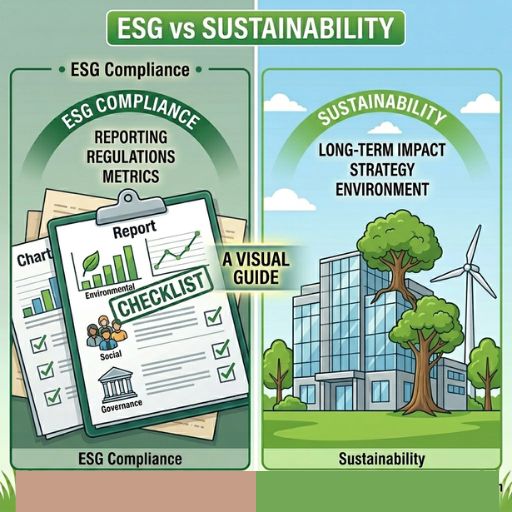
As ESG reporting becomes more important, businesses face a key challenge—choosing the right framework. Each standard serves a different purpose, and selecting the right one depends on your business goals and compliance needs.
Understanding these frameworks helps businesses stay compliant, attract investors, and improve transparency.
Did you know? Top listed companies in India are required to follow BRSR as per regulatory guidelines.
What Are ESG Reporting Frameworks?
ESG frameworks are structured guidelines that help businesses measure, manage, and report their sustainability performance.
- Environmental impact tracking
- Social responsibility reporting
- Governance transparency
Start by understanding your business requirements and compliance needs.
Get expert guidance tailored for your business.
Key ESG Frameworks Explained
1. BRSR (Business Responsibility and Sustainability Reporting)
- Mandatory for top listed Indian companies
- Aligned with SEBI guidelines
- Focus on compliance and transparency
2. GRI (Global Reporting Initiative)
- Widely used global standard
- Focus on sustainability impact
- Suitable for detailed reporting
3. SASB (Sustainability Accounting Standards Board)
- Investor-focused framework
- Industry-specific standards
- Useful for financial reporting alignment
How to Choose the Right Framework
- Regulatory requirements (India → BRSR)
- Business size and industry
- Investor expectations
- Global vs local focus
Common Mistakes Businesses Make
- Using multiple frameworks without strategy
- Ignoring compliance requirements
- Not tracking proper ESG data
Benefits of Choosing the Right Framework
- Improved compliance
- Better investor confidence
- Stronger brand reputation
- Clear sustainability roadmap
India’s ESG Reporting Landscape
India is rapidly adopting ESG regulations, making it essential for businesses to align with frameworks like BRSR while also considering global standards.
Built as part of ongoing climate-tech research and ESG innovation initiatives supported by early-stage incubation and grant programs.
Related ESG Audits Insights
Explore
🔗 Start ESG Reporting for MSMEs
🔗 ESG Reporting Tools
🔗 BRSR India Guide
🔗 ESG Trends 2026.
- BRSR is key for Indian compliance
- GRI is widely used globally
- SASB focuses on investors
- Choosing the right framework improves business outcomes
Frequently Asked Questions
Which ESG framework is mandatory in India?
BRSR is mandatory for top listed companies.
Can businesses use multiple ESG frameworks?
Yes, but they should have a clear strategy and purpose.
Why are ESG frameworks important?
They help businesses measure and report sustainability performance effectively.
Start Your Climate Learning Journey
Learn ESG, sustainability, and climate strategies.
Join early learners building climate intelligence.
Comments
Post a Comment