

How SMEs Can Start ESG Reporting
By United Carbon Technologies | Climate Knowledge Hub India
Join early readers exploring ESG, sustainability, and climate technology in India.
ESG reporting is no longer limited to large corporations. SMEs and startups in India are increasingly adopting sustainability reporting to improve transparency, attract investors, and prepare for future business requirements.
How can SMEs start ESG reporting?
SMEs can start ESG reporting by tracking energy usage, emissions, waste management, workplace practices, and sustainability goals using simple reporting frameworks and climate data systems.
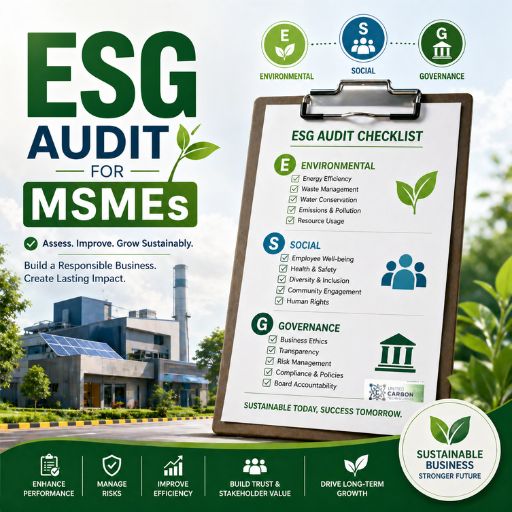
Environmental, Social, and Governance (ESG) reporting is becoming an important part of modern business operations. While large enterprises have already started sustainability reporting, SMEs are now entering the ESG ecosystem.
Indian businesses are increasingly being asked by investors, clients, and supply chains to demonstrate sustainability awareness and emissions transparency.
Did you know?
Many global companies now expect suppliers and SMEs to share sustainability and emissions-related information.
What Is ESG Reporting?
ESG reporting is the process of measuring and sharing information related to environmental impact, workplace practices, governance systems, and sustainability performance.
- Tracks environmental impact
- Measures sustainability efforts
- Improves business transparency
- Supports investor confidence
- Strengthens long-term business planning
Why ESG Reporting Matters for SMEs
- Builds trust with clients and investors
- Improves business credibility
- Prepares businesses for future regulations
- Supports sustainable growth strategies
- Improves operational awareness
How SMEs Can Start ESG Reporting
- Track electricity and energy usage
- Monitor fuel and transportation emissions
- Measure waste generation
- Document workplace sustainability practices
- Set basic ESG goals and targets
- Use simple climate data tracking tools
Common ESG Metrics SMEs Should Monitor
- Electricity consumption
- Carbon emissions
- Water usage
- Waste management
- Employee safety and wellbeing
- Sustainability initiatives
Start optimizing your home energy usage today and see immediate reductions in your electricity bill.
Get expert support for ESG and sustainability.
Role of Climate Technology in ESG Reporting
Digital climate intelligence systems help businesses automate emissions calculations, organize sustainability data, and improve reporting efficiency.
United Carbon Technologies is developing ACIS — an India-focused climate intelligence and carbon measurement platform designed to support sustainability reporting and emissions management for businesses.
Related Reads (Important)
- ESG Reporting Tools Every Business Should Know
- How Companies Track Carbon Emissions
- Carbon Accounting vs Carbon Footprint Explained
- Complete Guide to Carbon Footprint in India
India and Global Perspective
Globally, ESG reporting is becoming an essential part of business strategy. In India, SMEs that adopt sustainability tracking early may gain stronger business opportunities and improve long-term competitiveness.
Built as part of ongoing climate-tech research and sustainability initiatives.
- ESG reporting helps businesses improve transparency
- SMEs can begin with simple sustainability tracking
- Climate intelligence improves reporting efficiency
- Early ESG adoption supports long-term growth
Frequently Asked Questions
What is ESG reporting?
ESG reporting measures environmental, social, and governance performance for businesses.
Can SMEs start ESG reporting?
Yes, SMEs can begin with basic sustainability tracking and emissions monitoring.
Why is ESG important for small businesses?
It improves transparency, investor confidence, and sustainability readiness.
Start Your Climate Learning Journey
Learn ESG, sustainability, and climate strategies.
Join early learners building climate intelligence.