

Future of Sustainability Careers in India: Skills, Jobs & Opportunities (2026 Guide)
Discover the future of sustainability careers in India. Learn about high-demand ESG jobs, carbon accounting, climate technology, renewable energy, green skills, salary trends, and how professionals can build successful careers in the growing sustainability sector.
By United Carbon Technologies | Climate Knowledge Hub India
Published: June 2026 | Last Updated: June 2026 | 8 min read
Join readers exploring for practical insights on ESG, Carbon Accounting, Climate Technology, Sustainability Careers, Climate Risk, and India's transition toward a low-carbon economy.
Sustainability is no longer limited to environmental organizations or government initiatives. Across India, businesses, financial institutions, manufacturers, technology companies, consulting firms, and startups are actively hiring professionals with sustainability expertise.
As climate regulations evolve and companies strengthen their Environmental, Social and Governance (ESG) strategies, demand for skilled professionals continues to rise. New career paths are emerging in carbon accounting, ESG reporting, renewable energy, climate risk, green finance, sustainability consulting, and climate technology.
Whether you are a student, engineer, finance professional, business leader, or someone planning a career transition, understanding the future of sustainability careers can help you prepare for one of India's fastest-growing professional sectors.
Featured Snippet
The future of sustainability careers in India is driven by increasing ESG regulations, corporate net-zero commitments, renewable energy expansion, climate technology innovation, and growing investor expectations. Professionals with skills in ESG reporting, carbon accounting, climate risk analysis, sustainability strategy, renewable energy, and environmental data analytics are expected to experience strong career growth over the coming decade.
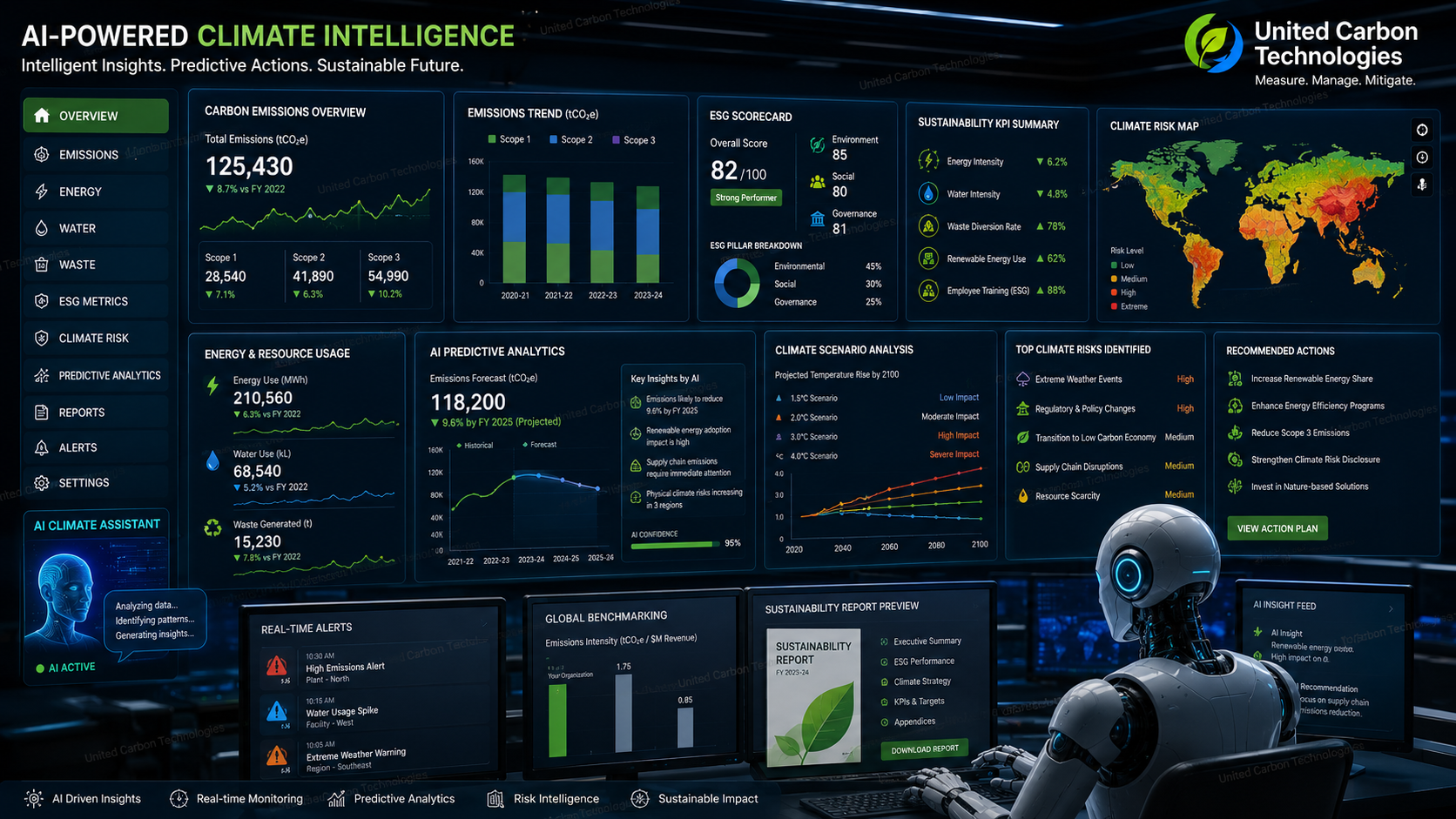
Introduction
India is entering one of the most significant economic transitions in its modern history. Alongside digital transformation, another powerful movement is reshaping industries—the transition toward sustainable business practices.
Organizations are no longer measuring success only through financial performance. Investors, customers, regulators, employees, and international markets increasingly expect businesses to understand and manage their environmental and social impacts.
This shift has created an entirely new employment landscape where sustainability professionals play a central role in helping organizations measure emissions, develop ESG strategies, improve resource efficiency, comply with reporting requirements, and prepare for climate-related risks.
Unlike many traditional career paths, sustainability combines knowledge from engineering, finance, environmental science, business management, law, technology, analytics, and public policy. This multidisciplinary nature makes it one of the most exciting and future-ready professions available today.
Climate Intelligence • ESG Analytics • Carbon Accounting
Building India's Carbon Intelligence Ecosystem
United Carbon Technologies is developing digital solutions that help businesses measure emissions, improve ESG reporting, analyze sustainability performance, and support better climate-related decision-making.
💡 Did You Know?
- Thousands of Indian companies are strengthening ESG and sustainability reporting.
- Renewable energy, climate technology, and carbon management are among the fastest-growing green employment sectors.
- Global investors increasingly evaluate companies based on ESG performance alongside financial results.
- AI and digital climate intelligence are creating entirely new sustainability career opportunities.
1. Why Sustainability Careers Are Growing So Rapidly
Several global and national trends are accelerating demand for sustainability professionals across industries.
Businesses now recognize that climate change affects supply chains, operating costs, investments, insurance, regulatory compliance, and long-term competitiveness. As a result, sustainability has evolved from a compliance function into a strategic business priority.
Some of the biggest growth drivers include:
- Corporate ESG initiatives
- Net Zero commitments
- Climate risk management
- Carbon accounting requirements
- Renewable energy investments
- Green finance growth
- Sustainable supply chains
- International disclosure expectations
- Digital sustainability platforms
These trends are expected to continue creating employment opportunities throughout the coming decade.
2. Industries Creating Sustainability Jobs
One of the biggest misconceptions is that sustainability careers exist only in environmental organizations. In reality, nearly every industry is building sustainability teams.
| Industry | Typical Sustainability Roles |
|---|---|
| Manufacturing | Carbon Accounting, ESG Reporting, Energy Efficiency |
| Information Technology | ESG Data Analytics, Sustainability Platforms |
| Banking & Finance | Climate Risk, Sustainable Finance, ESG Analysis |
| Energy | Renewable Energy, Carbon Management |
| Infrastructure | Green Buildings, Environmental Compliance |
| Consulting | ESG Advisory, Sustainability Strategy |
As sustainability becomes integrated into core business operations, opportunities continue expanding well beyond traditional environmental roles.
3. Most In-Demand Sustainability Careers
The sustainability ecosystem now includes diverse roles that combine business strategy, technology, environmental science, finance, and analytics.
- ESG Analyst
- Carbon Accounting Specialist
- Sustainability Consultant
- Climate Risk Analyst
- Renewable Energy Project Manager
- Environmental Data Analyst
- Carbon Market Specialist
- Circular Economy Consultant
- Sustainability Reporting Manager
- Climate Technology Product Specialist
- Net Zero Program Manager
- ESG Software Implementation Consultant
Many organizations now seek professionals who can combine technical sustainability knowledge with digital skills, communication, and business strategy.
4. Skills Employers Will Value Most
The future sustainability workforce will require a combination of technical knowledge and professional skills.
Technical Skills
- Carbon Accounting
- GHG Emissions Measurement
- ESG Reporting
- Climate Risk Assessment
- Life Cycle Assessment
- Renewable Energy Fundamentals
- Sustainability Data Analysis
- Environmental Regulations
- Climate Technology Platforms
Professional Skills
- Business Communication
- Problem Solving
- Project Management
- Leadership
- Data Interpretation
- Presentation Skills
- Strategic Thinking
- Stakeholder Management
Professionals who combine sustainability expertise with technology, analytics, and business understanding are likely to remain highly competitive in the evolving job market.
Start optimizing your home energy usage today and see immediate reductions in your electricity bill.
Get expert support for ESG and sustainability.
5. How Artificial Intelligence Is Transforming Sustainability Careers
Artificial Intelligence (AI) is becoming one of the most influential technologies in sustainability. Organizations are increasingly using AI to analyze carbon emissions, optimize energy consumption, monitor environmental performance, identify climate risks, and automate ESG reporting.
Rather than replacing sustainability professionals, AI is changing how they work. Routine calculations and data collection are becoming more automated, allowing professionals to focus on strategy, decision-making, stakeholder engagement, and innovation.
Future sustainability professionals will benefit from understanding:
- AI-assisted ESG reporting
- Climate data analytics
- Predictive carbon emission modeling
- Remote environmental monitoring
- Satellite-based sustainability assessments
- Digital twins for energy optimization
- Business intelligence dashboards
- Sustainability software platforms
Professionals who can combine sustainability expertise with digital technologies are expected to have a significant competitive advantage in the coming years.
6. Education and Certifications That Can Build a Sustainability Career
Unlike many traditional professions, sustainability welcomes individuals from diverse educational backgrounds. Engineers, commerce graduates, environmental scientists, architects, lawyers, finance professionals, data analysts, and management graduates all contribute to sustainability initiatives.
Building expertise often involves a combination of formal education and continuous professional learning.
Useful Areas of Study
- Environmental Science
- Engineering
- Business Administration (MBA)
- Finance and Accounting
- Economics
- Data Analytics
- Information Technology
- Public Policy
Professional Learning Topics
- Carbon Accounting
- ESG Reporting
- Climate Risk Assessment
- Greenhouse Gas Inventories
- Renewable Energy Systems
- Sustainability Reporting Frameworks
- Climate Technology
- Circular Economy
- Sustainable Supply Chains
Continuous learning will remain one of the defining characteristics of successful sustainability professionals as regulations, reporting frameworks, and technologies continue to evolve.
7. Salary Trends and Career Growth
Salary levels vary depending on industry, experience, technical expertise, and organizational size. However, sustainability has become one of the fastest-growing professional domains in India.
Professionals with specialized knowledge in ESG reporting, carbon accounting, climate risk, renewable energy, and sustainability consulting often have opportunities to progress into leadership roles.
| Career Stage | Typical Focus |
|---|---|
| Entry Level | Research, data collection, reporting support, ESG documentation |
| Mid-Level | Project management, client advisory, sustainability implementation |
| Senior Level | Strategy development, climate risk management, ESG leadership |
| Executive Level | Chief Sustainability Officer, ESG Director, Climate Strategy Leader |
As sustainability becomes integrated into business strategy, professionals with multidisciplinary expertise are expected to experience strong long-term career growth.
8. Sustainability Careers Beyond Corporate Jobs
Corporate employment represents only one part of the sustainability ecosystem. Many professionals build successful careers through consulting, entrepreneurship, research, technology development, education, and policy advisory.
Emerging opportunities include:
- Independent ESG Consultant
- Carbon Accounting Advisor
- Climate Technology Entrepreneur
- Renewable Energy Consultant
- Sustainability Trainer
- ESG Software Developer
- Environmental Research Analyst
- Green Startup Founder
- Climate Data Specialist
- Carbon Market Advisor
The growing startup ecosystem is creating innovative business opportunities in carbon intelligence, ESG software, sustainability analytics, clean technology, and environmental monitoring.
9. Challenges Future Sustainability Professionals Should Prepare For
Although sustainability offers exciting opportunities, professionals should also be prepared for evolving challenges.
- Rapidly changing regulations
- New ESG reporting requirements
- Increasing demand for accurate environmental data
- Technology-driven workplace transformation
- Global sustainability standards
- Climate-related business risks
- Cross-functional collaboration across departments
- Continuous professional learning
Those who embrace lifelong learning and stay informed about emerging sustainability practices will be better positioned for long-term success.
10. Preparing Today for Tomorrow's Green Economy
The sustainability profession is evolving faster than ever before. Organizations increasingly seek professionals who understand both environmental challenges and business objectives.
Future-ready professionals should focus on:
- Developing analytical thinking
- Learning carbon accounting methodologies
- Understanding ESG reporting
- Building digital and AI literacy
- Improving communication skills
- Following climate policy developments
- Learning sustainability software platforms
- Understanding business strategy alongside sustainability
By investing in these capabilities today, professionals can position themselves for rewarding careers while contributing to India's sustainable economic growth.
Build a Smarter Sustainability Strategy
Whether your organization is beginning its ESG journey or preparing for advanced carbon management, United Carbon Technologies helps businesses understand emissions, strengthen sustainability reporting, and build climate intelligence capabilities.
Use our website's global contact button to connect with our experts and explore ESG solutions, carbon footprint assessments, climate intelligence tools, and future-ready sustainability services.
India Context: Why the Next Decade Matters
As ESG reporting, BRSR disclosures, renewable energy adoption, and climate-risk management continue to evolve in India, businesses are investing in better sustainability measurement systems. Organizations that track meaningful sustainability KPIs are better prepared for investor expectations, operational efficiency, and long-term climate resilience.
Manufacturing, infrastructure, financial services, technology, logistics, healthcare, agriculture, and consulting firms are all investing in sustainability capabilities to improve resilience and remain globally competitive.
As Indian businesses continue integrating sustainability into strategic decision-making, professionals with expertise in carbon accounting, ESG reporting, climate intelligence, and environmental data management are expected to remain in high demand.
What's Next?
If you're building an ESG reporting program, your next step is understanding carbon accounting, sustainability KPIs, climate intelligence, and emissions reporting software.
Related Reads
- What Is ESG Reporting? A Beginner's Guide
- How Businesses Collect Scope 3 Data
- Carbon Reporting Software: What Businesses Should Look For
- Sustainability KPIs Every Company Should Track
- How Climate Data Helps Businesses Make Better Decisions
- ESG vs BRSR: Key Differences Explained
- Why Climate Risk Is Important for Businesses
- Future of Carbon Accounting in India
Quick Summary
- Sustainability careers are expanding across almost every industry.
- ESG, carbon accounting, climate technology, and renewable energy are among the fastest-growing sectors.
- AI and digital sustainability platforms are reshaping future job roles.
- Technical knowledge combined with business and analytical skills creates stronger career opportunities.
- Continuous learning is essential as sustainability regulations and technologies evolve.
- India's transition toward a greener economy is expected to create significant long-term employment opportunities.
Key Takeaways
- Track measurable sustainability metrics.
- Use ESG data for better decisions.
- Monitor carbon emissions regularly.
- Review KPIs throughout the year.
- Use digital climate intelligence tools to improve reporting.
Explore the Future of Climate Intelligence
Learn ESG, sustainability, carbon intelligence, and climate-tech concepts shaping the future of business and environmental strategy..
Join readers building climate intelligence knowledge for a sustainable future.