
Why Climate Risk Is Important for Businesses
United Carbon Technologies | Climate Knowledge Hub India
Join readers exploring ESG, climate risk, sustainability, and future business trends.
Climate risk is becoming a major business concern as extreme weather events, supply chain disruptions, energy challenges, and sustainability regulations increasingly affect operations and long-term growth strategies.
Why is climate risk important for businesses?
Climate risk is important because climate-related events and environmental changes can impact business operations, supply chains, financial stability, ESG reporting, and long-term sustainability planning.
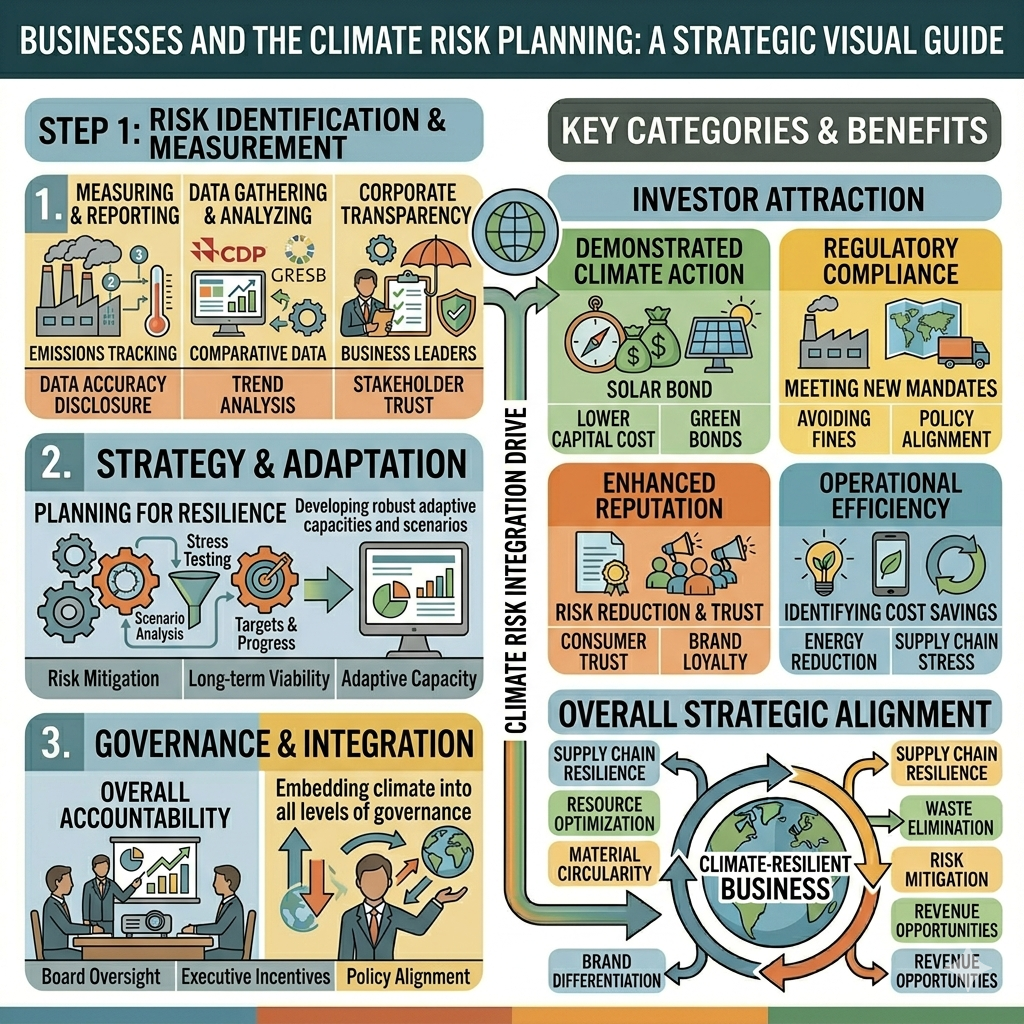
Businesses around the world are increasingly recognizing that climate change is not only an environmental issue but also a financial and operational challenge.
Climate-related disruptions can affect manufacturing, logistics, infrastructure, energy systems, investments, insurance, workforce safety, and customer behavior.
As a result, organizations are integrating climate risk analysis into sustainability strategies, ESG reporting, and long-term business planning.
Did you know?
Many global investors and regulators now expect businesses to identify and disclose climate-related risks as part of ESG and sustainability reporting.
What Is Climate Risk?
Climate risk refers to potential business disruptions and financial impacts caused by climate-related events and environmental changes.
These risks may include:
- Extreme weather events
- Floods and droughts
- Heatwaves and rising temperatures
- Supply chain disruptions
- Energy shortages
- Regulatory changes
- Carbon pricing policies
- Changing consumer expectations
Types of Climate Risks Businesses Face
1. Physical Climate Risks
These involve direct environmental impacts such as storms, flooding, heat stress, and infrastructure damage.
2. Transition Risks
These arise as economies shift toward sustainability, including new regulations, carbon reporting requirements, and energy transitions.
3. Financial Risks
Climate-related disruptions may increase operational costs, insurance expenses, and investment risks.
4. Reputation Risks
Businesses that fail to address sustainability concerns may lose customer trust and investor confidence.
Organizations increasingly use sustainability data and climate intelligence systems to prepare for future environmental and operational challenges.
How Climate Risk Impacts Businesses
- Operational disruptions
- Higher energy and logistics costs
- Supply chain instability
- Reduced productivity during extreme weather
- Compliance and ESG reporting pressure
- Investment and financing challenges
- Damage to infrastructure and facilities
- Changing customer expectations
Climate risks can affect businesses of all sizes, including MSMEs, startups, and large enterprises.
Why Climate Risk Matters for ESG Reporting
ESG reporting increasingly includes climate-related disclosures and sustainability metrics.
Businesses now track emissions, operational risks, and environmental impacts to improve transparency and demonstrate long-term resilience.
- Climate-related business exposure
- Carbon emissions reporting
- Energy transition planning
- Sustainability initiatives
- Risk mitigation strategies
Strong climate-risk management can improve investor confidence and strengthen ESG performance.
Organizations increasingly require climate intelligence systems and sustainability strategies to manage operational and ESG-related risks.
Role of Climate Intelligence in Risk Management
Climate intelligence platforms help businesses analyze environmental risks, sustainability performance, and operational vulnerabilities using data-driven systems.
- Emissions monitoring
- Climate-risk analytics
- Supply-chain risk analysis
- Energy and sustainability dashboards
- Environmental data tracking
- Predictive climate insights
Technology-driven climate intelligence is becoming essential for future-ready business planning.
Climate Risk and Indian Businesses
India faces increasing climate-related challenges including heatwaves, flooding, water scarcity, and energy stress.
Businesses operating in manufacturing, logistics, agriculture, infrastructure, and urban sectors may experience growing climate-related operational risks.
As sustainability regulations and ESG awareness continue to evolve, Indian organizations are increasingly adopting climate-risk management practices.
How Businesses Can Reduce Climate Risk
- Improve sustainability planning
- Track operational emissions
- Adopt renewable energy solutions
- Strengthen supply-chain resilience
- Use climate intelligence tools
- Improve ESG reporting systems
- Increase energy efficiency
- Develop long-term sustainability goals
UNITED CARBON TECHNOLOGIES
Climate & ESG Platform
Building India’s Carbon Intelligence Ecosystem
YOUR ACTION, OUR PLANET, TOGETHER, WE EMPOWER A GREENER FUTURE
Related Climate & ESG Guides
- What Is Scope 3 Emissions Reporting?
- How Carbon Accounting Supports ESG Reporting
- How Businesses Measure Operational Carbon
- Understanding Climate Risk and Its Business Impact
- What Is Carbon Accounting?
- Climate risk affects business operations and financial stability
- Extreme weather and sustainability regulations are increasing risks
- ESG reporting now includes climate-related disclosures
- Climate intelligence helps businesses prepare for disruptions
- Indian businesses are increasingly focusing on sustainability resilience
Frequently Asked Questions
What is climate risk?
Climate risk refers to environmental and climate-related challenges that may impact businesses, economies, and infrastructure.
Why is climate risk important for businesses?
Climate risk can affect operations, supply chains, ESG reporting, and long-term business stability.
How does climate risk affect ESG reporting?
Businesses increasingly disclose climate-related risks, sustainability strategies, and emissions data within ESG reports.
Can climate intelligence help businesses?
Yes. Climate intelligence systems help organizations monitor risks, analyze sustainability data, and improve resilience planning.
Build Climate Intelligence for the Future
Learn how sustainability, ESG reporting, and climate-risk management are reshaping businesses and industries.
Join readers exploring the future of climate-ready business strategies.
Comments
Post a Comment