

India’s Green Credit Program Explained (2026 Guide)
By United Carbon Technologies | Climate Knowledge Hub India
India’s Green Credit Program is emerging as a major sustainability initiative designed to encourage environmental actions such as reforestation, water conservation, and renewable energy adoption.
What is India’s Green Credit Program?
India’s Green Credit Program allows individuals, businesses, and organizations to earn tradable green credits for activities that positively impact the environment, including afforestation, water conservation, and sustainable practices.
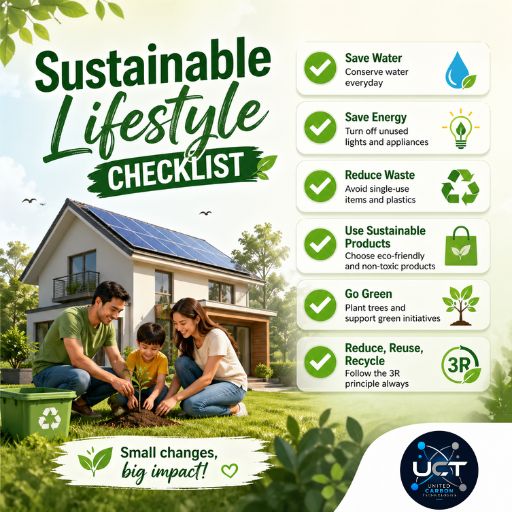
As India strengthens its climate commitments, environmental incentive systems are becoming increasingly important. The Green Credit Program aims to reward positive environmental actions through a market-driven approach.
The initiative supports sustainability while encouraging businesses and individuals to actively participate in climate action and ecosystem restoration.
Did you know? India’s Green Credit Program promotes voluntary environmental activities that can generate tradable green credits.
What Are Green Credits?
Green credits are environmental incentives earned through activities that create measurable ecological benefits.
- Reforestation and afforestation projects
- Water conservation initiatives
- Waste reduction and management
- Renewable energy adoption
- Sustainable land restoration
Start optimizing your home energy usage today and see immediate reductions in your electricity bill.
Get expert support for ESG and sustainability.
How India’s Green Credit Program Works
The Green Credit Program operates through environmental activities that are verified and converted into green credits.
- Entities undertake approved environmental actions
- Environmental impact is assessed and verified
- Green credits are issued based on measurable benefits
- Credits may be traded or used for sustainability goals
Who Can Participate?
- Businesses and industries
- Startups and MSMEs
- Educational institutions
- Local communities and organizations
- Environmental project developers
Benefits of the Green Credit Program
- Encourages environmental restoration
- Supports climate action goals
- Creates sustainability incentives
- Promotes corporate environmental responsibility
- Strengthens India’s green economy
Green Credits vs Carbon Credits
While carbon credits primarily focus on reducing greenhouse gas emissions, green credits can cover a broader range of environmental benefits such as biodiversity, water conservation, and ecosystem restoration.
Why the Green Credit Program Matters for India
India faces growing environmental challenges including pollution, deforestation, water stress, and climate risks. The Green Credit Program supports sustainable development while encouraging long-term environmental responsibility.
Built as part of ongoing climate-tech and sustainability innovation initiatives.
🔗 Understand how carbon markets work in India
🔗 Learn how carbon credits support climate action
🔗 Explore India’s climate action policies and progress
🔗 Discover climate technologies transforming India
- India’s Green Credit Program rewards environmental actions
- Credits can be earned through sustainability initiatives
- The program supports climate and ecosystem restoration goals
- Businesses and organizations can participate in green projects
Frequently Asked Questions
What is India’s Green Credit Program?
It is a sustainability initiative that rewards environmental activities through tradable green credits.
How are green credits earned?
Green credits are earned through approved activities such as afforestation, water conservation, and renewable energy projects.
Are green credits the same as carbon credits?
No. Green credits cover broader environmental benefits beyond carbon emission reductions.
Who can participate in the Green Credit Program?
Businesses, institutions, organizations, and communities can participate in approved sustainability activities.
Start Your Climate Learning Journey
Learn ESG, sustainability, and climate strategies.
Join early learners building climate intelligence.